
Sir Henry Fowler
Sir Henry Fowler died at his home, Spondon Hall, on 16 October 1938, aged 68. A former Chief Mechanical Engineer of both the Midland Railway and the London, Midland and Scottish Railway, he was also closely involved in the life of Derby and Spondon. He is buried in Nottingham Road Cemetery.
Henry was born in Evesham, Worcestershire, on 29 July 1870. His father, also Henry, was a furniture dealer. He attended Prince Henry’s Grammar School before studying metallurgy at Mason Science College in Birmingham, which later became part of the University of Birmingham.
His school reports have survived among his personal papers. One from 1880 described him as “Rather volatile – easily distracted”, while also noting that he had shown improvement. Spelling and writing were apparently still causing him difficulties.
In 1887, at the age of 17, Henry began an apprenticeship at the Lancashire and Yorkshire Railway’s Horwich Works. He went on to work in the testing department, eventually taking charge of it, and in 1895 became the company’s Gas Manager.
That same year he married Emmie Needham Smith. They had three children: Henry, known within the family as Harry, George and Dorothea.
Henry joined the Midland Railway at Derby as Gas Engineer on 18 June 1900. Promotion followed: Assistant Works Manager in 1905, Works Manager in 1907, and Chief Mechanical Engineer from 1 January 1910, succeeding Richard Deeley.
During the First World War his engineering and organisational experience was called upon for government service. In 1915 he was loaned to the Ministry of Munitions as Director of Production. He became Superintendent of the Royal Aircraft Factory at Farnborough in 1916 and later Assistant Director-General of Aircraft Production. His wartime service was recognised with a knighthood in 1918, when he became a Knight Commander of the Order of the British Empire.
Following the formation of the London, Midland and Scottish Railway in 1923, Henry became its Deputy Chief Mechanical Engineer under George Hughes. He succeeded Hughes as Chief Mechanical Engineer in October 1925. Locomotives introduced during his time in charge included the Royal Scot class in 1927. Newspaper tributes also drew attention to his work on standardisation, helping to reduce the variety of locomotive types inherited by the new railway company.
His professional interests extended well beyond the railway. He served as President of the Institution of Mechanical Engineers in 1927, and the University of Birmingham awarded him an honorary doctorate.
In January 1931 he moved into a different role, as Assistant to the LMS Vice-President, concentrating on research and development. He retired from railway service in 1933. The following year he was appointed to chair a government committee investigating noise from road vehicles.
Henry also gave considerable time to local institutions. He served on the management boards of Derbyshire Royal Infirmary and the Nightingale Nursing Home, and on Derby’s Education Committee. He supported the YMCA and took a particular interest in technical education. At Spondon he taught a Bible class for young men and was closely involved with the parish church and Spondon House School.
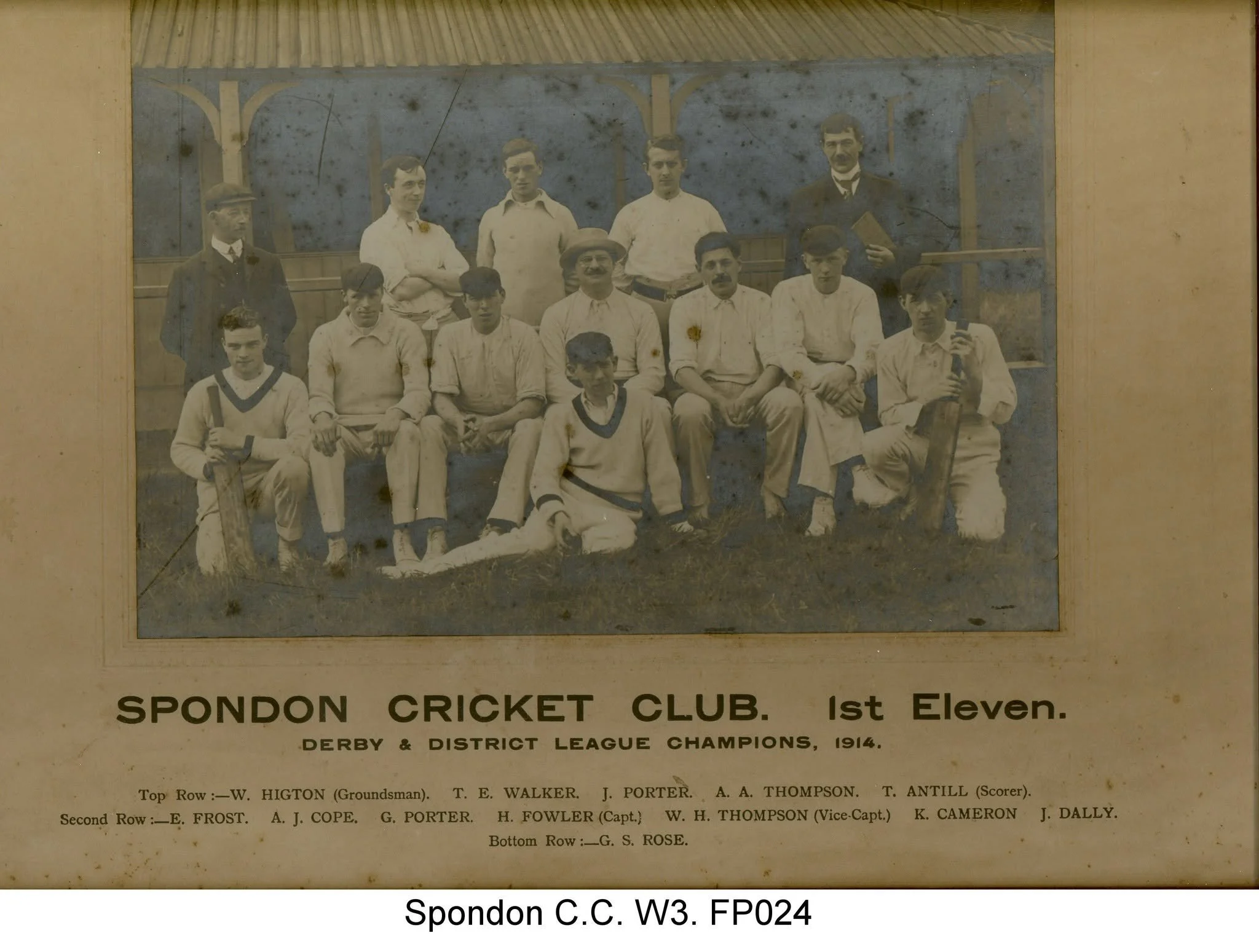
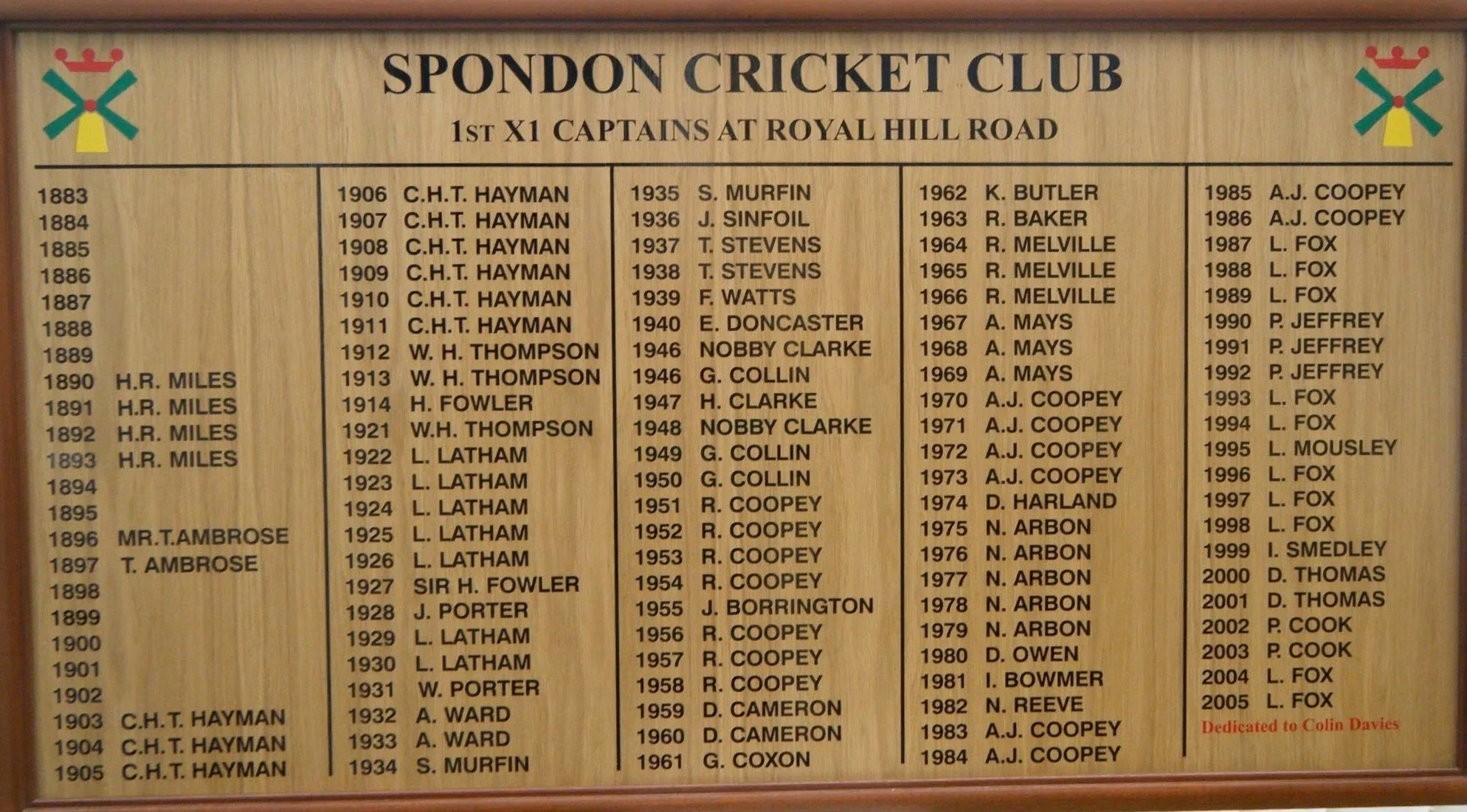
He had been a keen hockey player and later served as President of Derby Hockey Club and on the English selection committee. He was also an enthusiastic photographer. His surviving photographs include family holidays, children and grandchildren, pets, churches and railway visits. Many were among the personal effects acquired by the Midland Railway Society in 2024 and are now preserved at the Midland Railway Study Centre. He also captained Spondon Cricket Club.
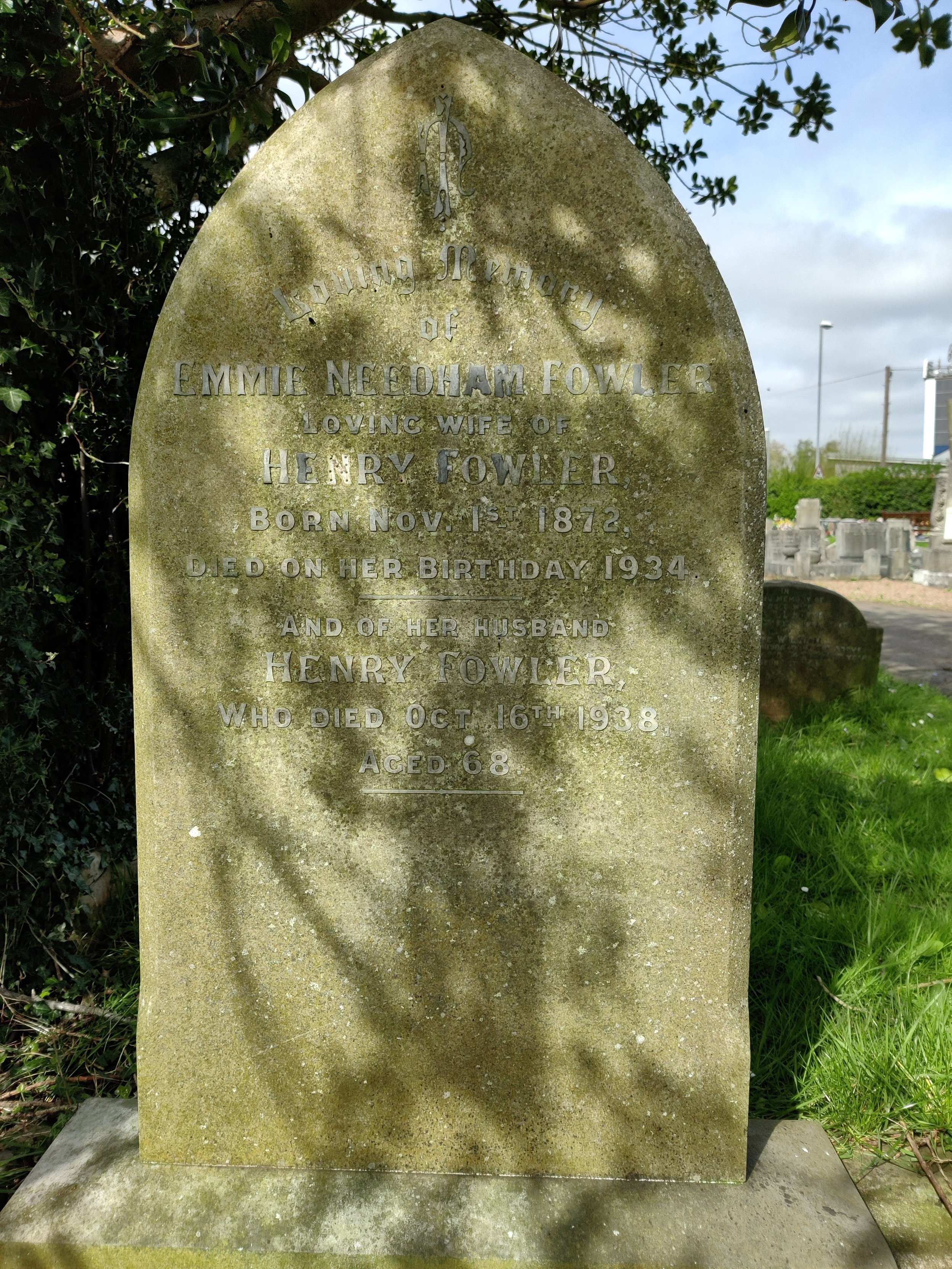
Emmie died on 1 November 1934, her 62nd birthday. The headstone records this with the words “Died on her birthday 1934”.
By the autumn of 1938 Henry had been ill for several months, although his obituary reported that he had been confined to bed for only a few days before his death.
His funeral took place on 19 October 1938, with a service at St Werburgh’s Church, Spondon, followed by burial in Nottingham Road Cemetery. Children from Spondon House School, where he had been chairman of the managers, lined the pathway as the funeral procession arrived. The Mayor of Derby attended, together with railway colleagues and representatives of the many organisations he had supported.
The newspaper described a ceremony “impressive in its simplicity”. His coffin was made of plain English oak, with a small bunch of rosemary resting on the lid.
Henry was laid to rest in the family grave alongside Emmie. Their shared headstone remembers him simply as “Henry Fowler”, recording his death on 16 October 1938 and his age of 68.
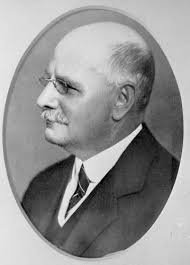
We are grateful to the Midland Railway Study Centre for their help with this biography and for permission to use their material, including Henry’s career record and the seated portrait accompanying this post.
You can read more about Sir Henry Fowler and the collection of his personal papers and photographs here: