DUCKMANTON, George William. CH. WW2. CWGC.
Died 30/08/1941 Age 31. Sergeant, Royal Air Force Volunteer Reserve, 76 Sqdn. Service Number 904067. Son of Arthur and Sarah Ann Duckmanton; husband of Olive May Duckmanton, of Potterspury, Northamptonshire.

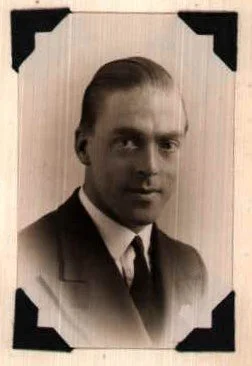
George William DUCKMANTON was born on 23 June 1910 in Staveley Town, his birth was registered in Eckington, Chesterfield and he was baptised in St John the Baptist’s, Staveley, Derbyshire on 28 July 1910. His parents were Arthur Duckmanton, a miner, and Sarah Ann Duckmanton (nee Hewitt), who married in 1908 in East Retford, and in July 1910 they were living at 6 Renshaws Row in Staveley, Derbyshire.
Before the 1921 Census George William DUCKMANTON’s father had passed away and the remaining family were at 25 Aldred Street, Worksop in Nottinghamshire. His mother Sarah Ann Duckmanton was now a widow and George William was at school.
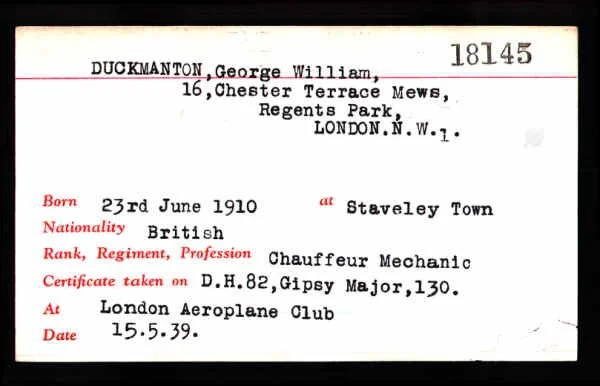
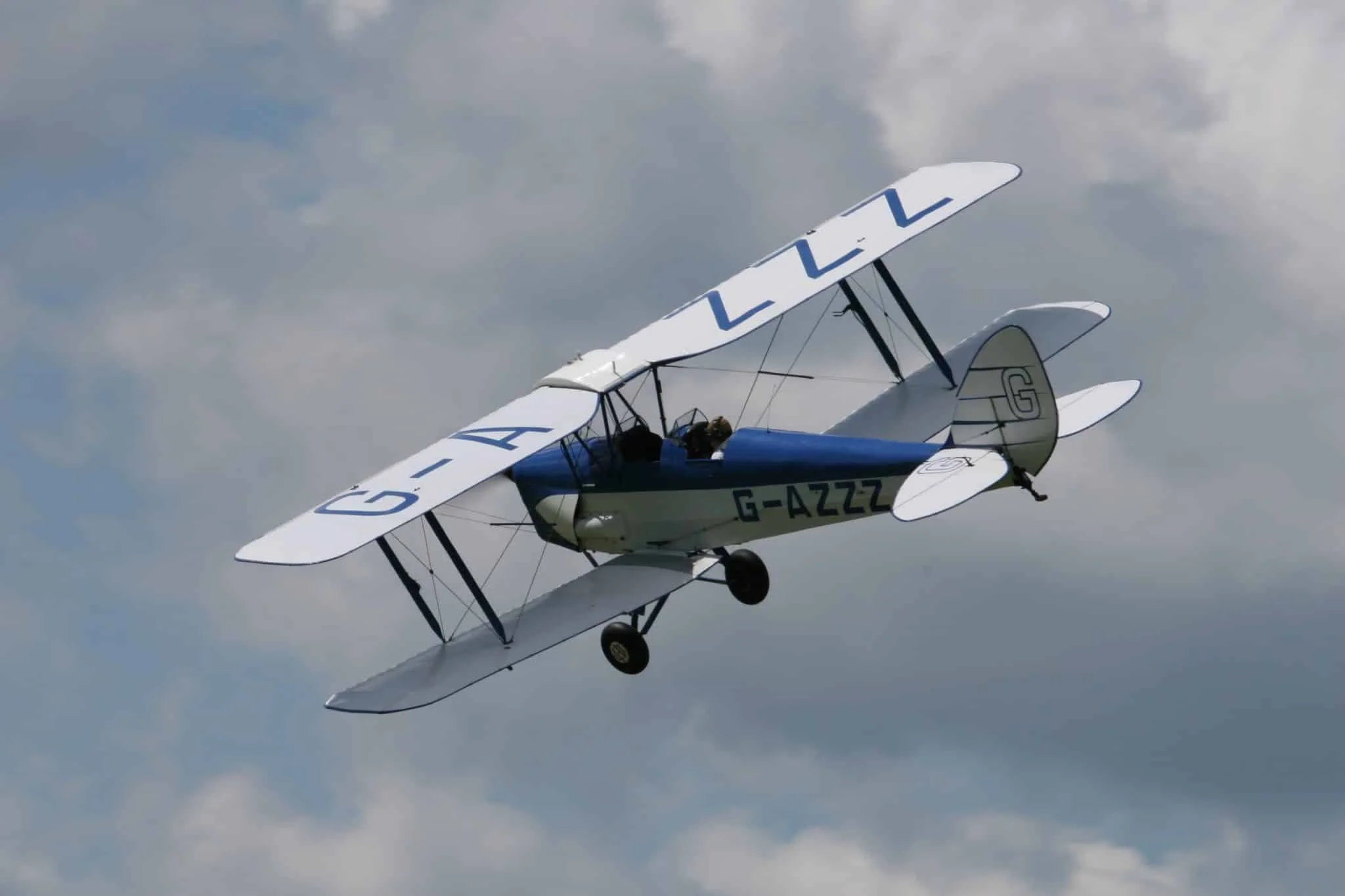
George William DUCKMANTON obtained his Royal Aero Club flying certificate on 15 May 1939 at the London Aeroplane Club flying a DeHaviland DH 82 “Tiger Moth” biplane powered by a Gypsy Major 130 engine. He was then living at 16 Chester Terrace Mews, Regents Park in London, but by 29 September 1939 his address was Brown's Copse Heyshott, Horsham, Sussex where he was working as a Chauffeur Mechanic.
In 1939 George William DUCKMANTON married Olive May Pettifer in Camberwell, London. They had a daughter, Fay U. Duckmanton, born in Lambeth, London in the summer of 1939
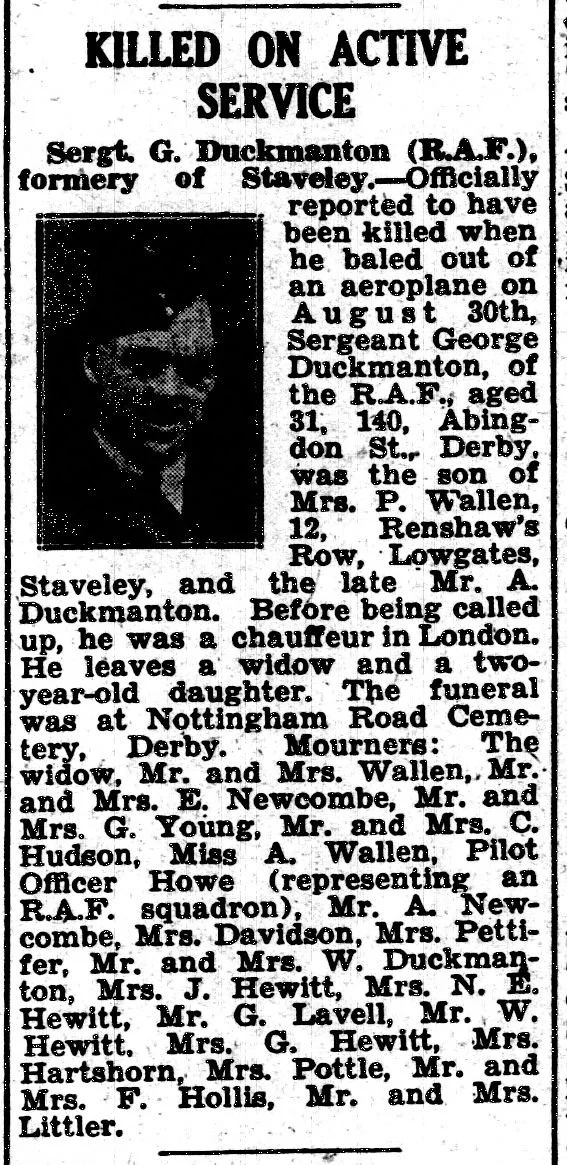
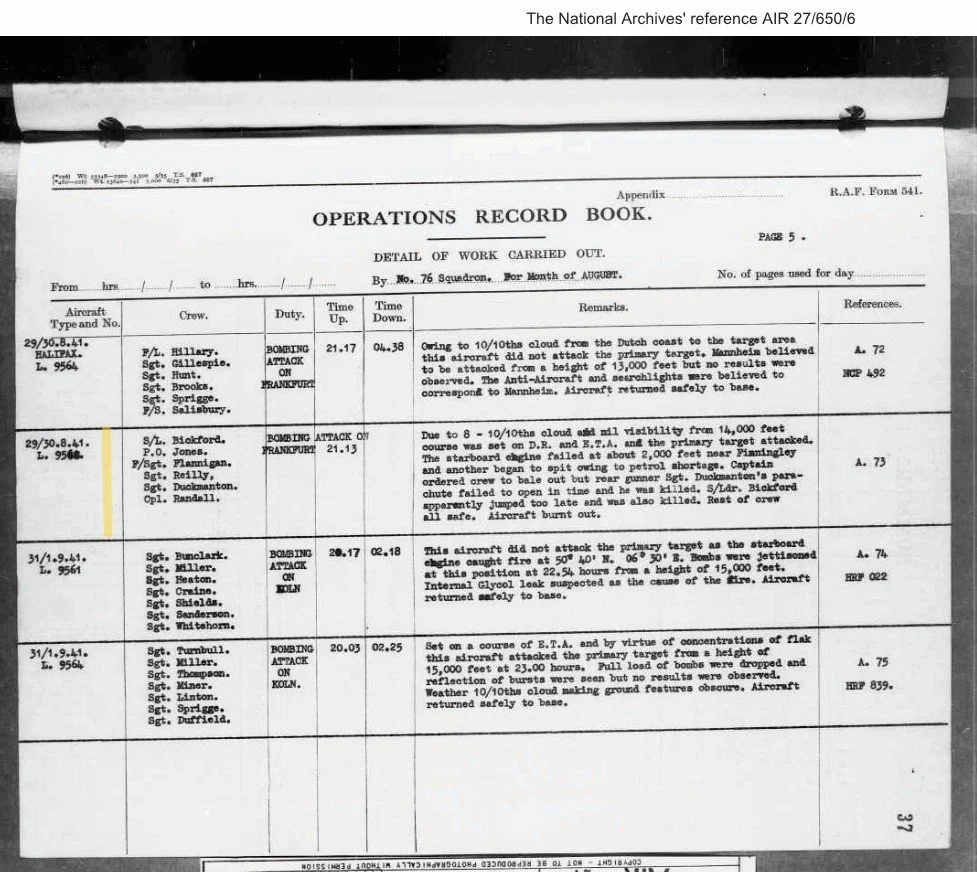
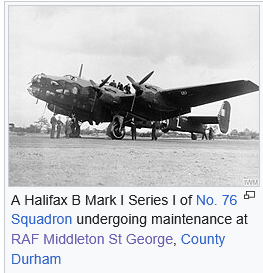
In August 1941 George William DUCKMANTON was living at 140 Abingdon Street, Derby, a Sergeant in the Royal Air Force Volunteer Reserve, Service Number 904067, aged 31. He was posted to 76 Squadron, Bomber Command, based at Middleton St George, County Durham, arriving on 25 August 1941 (though his service number was incorrectly recorded on arrival as 984967). His first mission departed on 29 August 1941, flying as the rear gunner in a Handley-Page Halifax Mk1 four-engine heavy bomber, Serial Number L9561, tasked with bombing Frankfurt in Germany. Following a successful attack, as they were returning early on 30 August 1941, when near Finningley, Yorkshire the starboard engine failed and a second engine began to spit through fuel shortage. The crew were ordered to bail out, which they all did, however George William DUCKMANTON’s parachute failed to open in time and he was killed, the aircraft captain Sqn Ldr Bickford apparently left it too late to leave the stricken aircraft and also died; the remaining four crew survived.
He was buried at Nottingham Road Cemetery.
Sources: Census of 1911 and 1921, and the 1939 Register. Registers of Births, Marriages and Deaths. Baptism Record. Royal Aero Club Records. RAF Operations Record Book. Newspaper articles and announcements.